
Her Story.
Kateryna Serhiyenko
November 26, 1996 – February 21, 2026
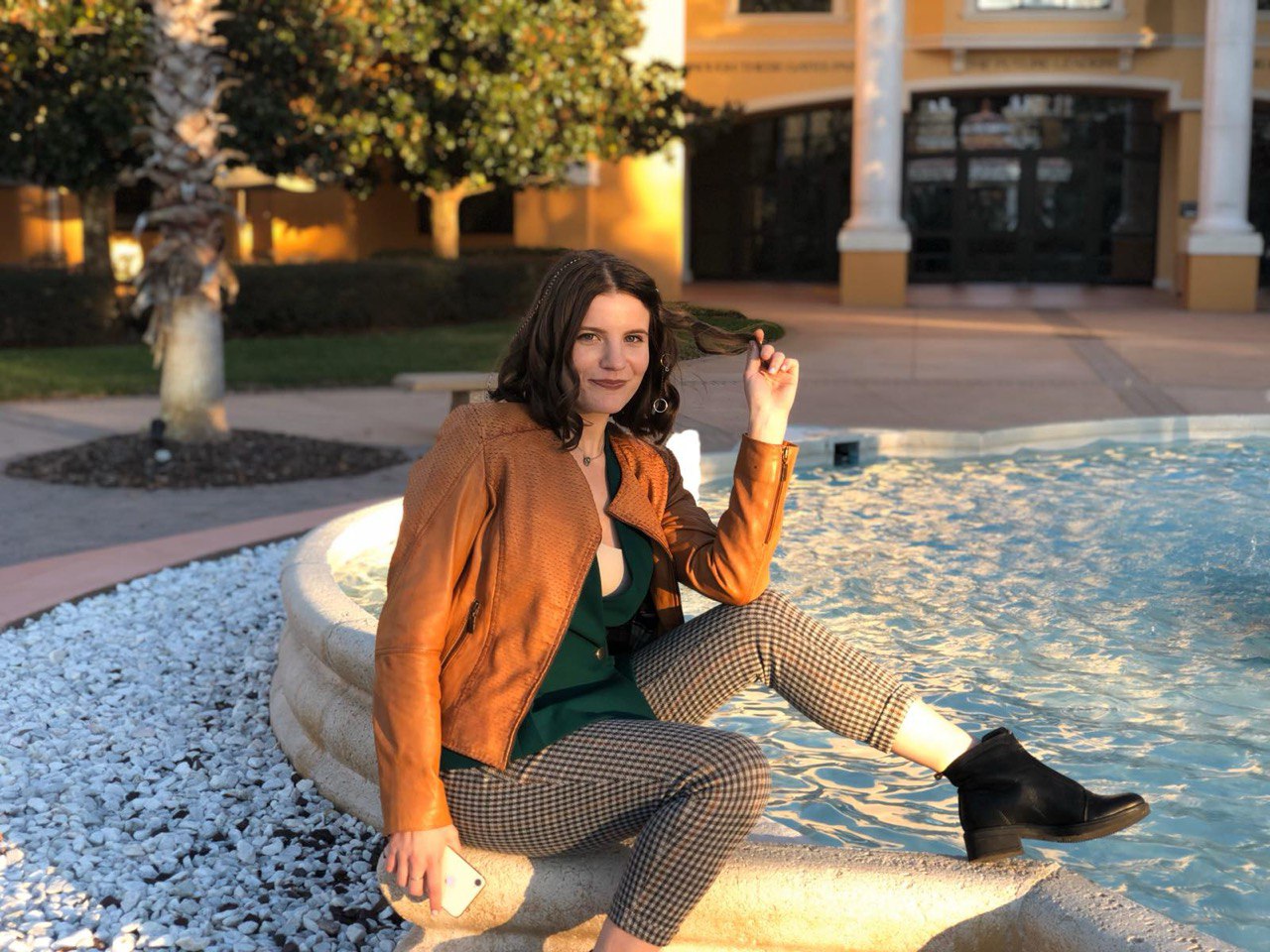
Product manager. Mentor. Advocate. The kind of person who made every room she walked into a little bit better.
Early Life in Ukraine
Kateryna was born in Novhorod-Siverskyi, a small city in northern Ukraine with roots stretching back over a thousand years. From the very beginning, she was joyful, energetic, and endlessly optimistic — qualities that never left her.
She started singing in kindergarten and captivated everyone who heard her. Throughout her school years, she threw herself into creative competitions, earned award after award, and was deeply involved in school projects of every kind. She graduated with honors, receiving a gold medal — the highest academic distinction in the Ukrainian school system.
In 2013, Kateryna enrolled at Kyiv National Economic University, where she studied International Economics. Living in the capital sharpened her ambition and broadened her world, but it also crystallized something she had felt for a long time: she wanted to continue her education abroad. After earning her Bachelor of Science in 2016, she did exactly that. At twenty years old, Kateryna left Ukraine for the United States.
The United States & UCF
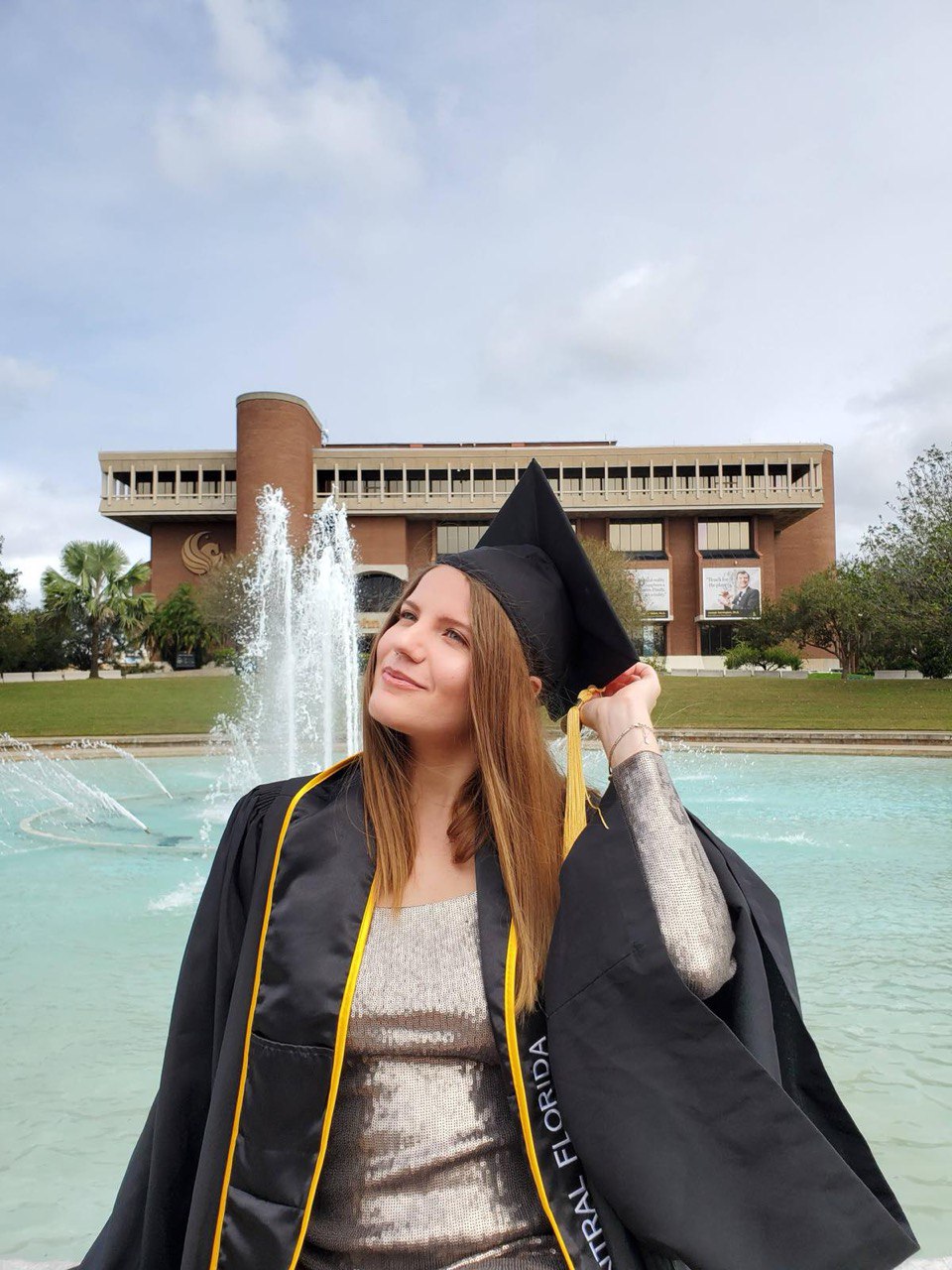
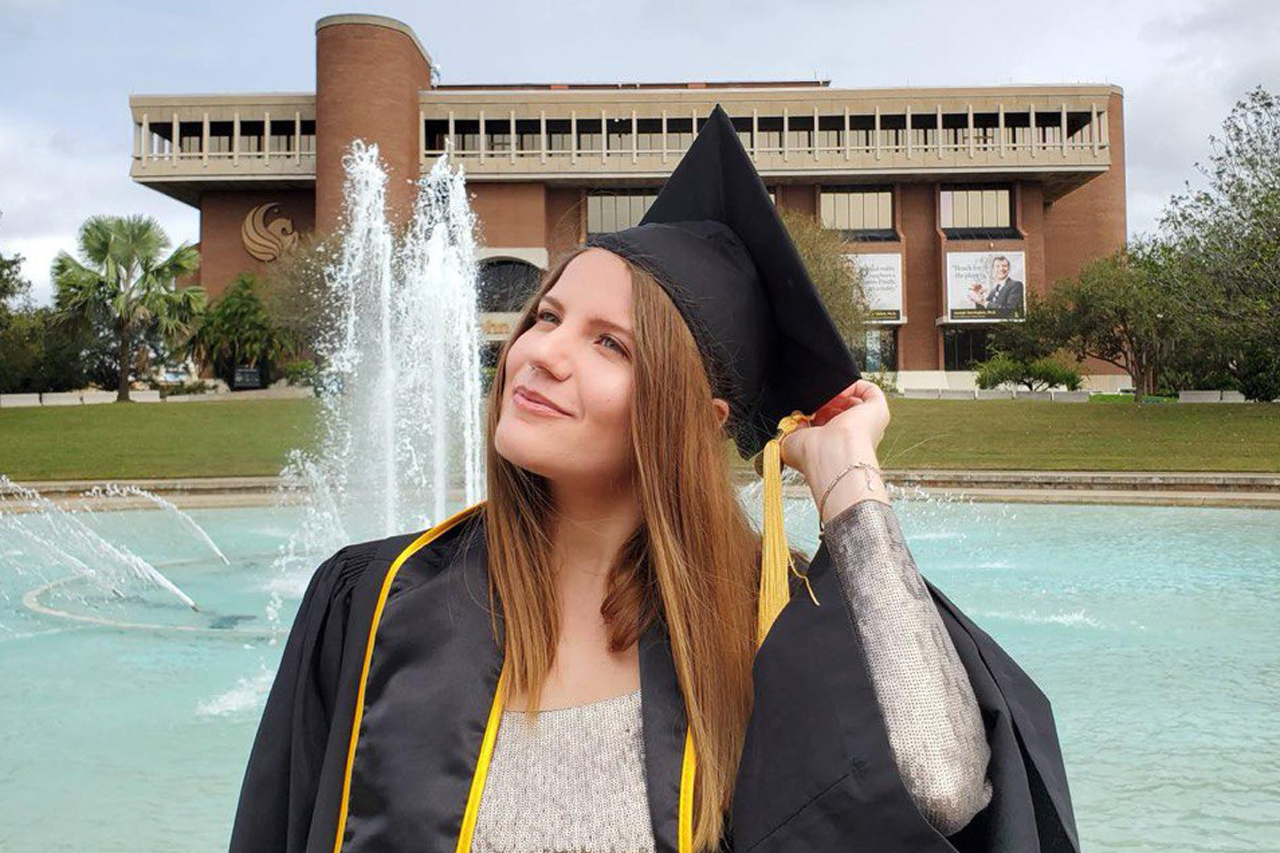
In 2017, Kateryna began studying Event Management at the University of Central Florida’s Rosen College of Hospitality Management. She did not just attend — she built. Recognizing that international students at Rosen College lacked a dedicated space to connect, she founded the International Chat event, an initiative designed to bring international students together for cultural exchange, networking, and mentorship. It was a pattern that would define her: see a gap, fill it, make it better for whoever comes next.
Professional Life
In 2020, Kateryna joined BigMarker, a virtual events and webinar platform based in Chicago. She started close to customers, working in customer success and marketing, listening to real challenges and seeing firsthand where products fell short. That instinct — start with the problem, not the solution — propelled her forward quickly. She became the company’s first Product Manager, a role she shaped from the ground up.
At BigMarker, Kateryna led the development of innovative products, managed the full software development lifecycle, and worked at the forefront of emerging technologies including artificial intelligence. Colleagues described her as one of the most strategic thinkers they had ever worked with — someone who could take ambiguity, turn it into structure, and move a team forward with clarity and confidence. She was the kind of person you could trust to lead any project and know it would get done well.
Outside of her day job, Kateryna mentored aspiring and junior product managers pro bono, helping others break into the field the same way she had — through persistence, curiosity, and sheer force of effort. She was heavily involved with Women in Product, ProductTank Chicago, and the Ukrainian IT Cluster, and remained a visible, generous presence in the city’s product and tech community.
She always had big ideas and even bigger ambitions. She reached for the stars in everything she did.
Chicago and Kevin
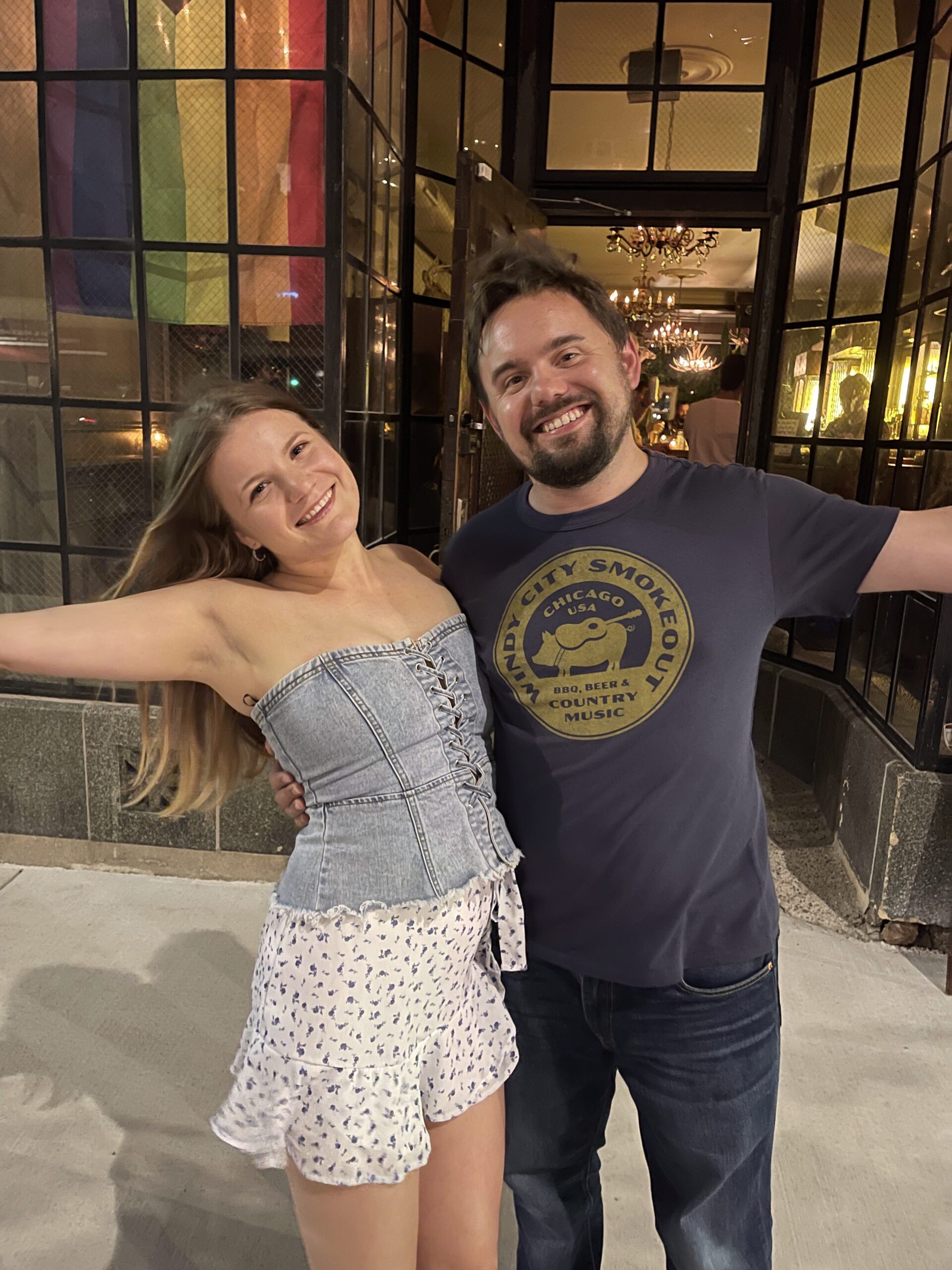
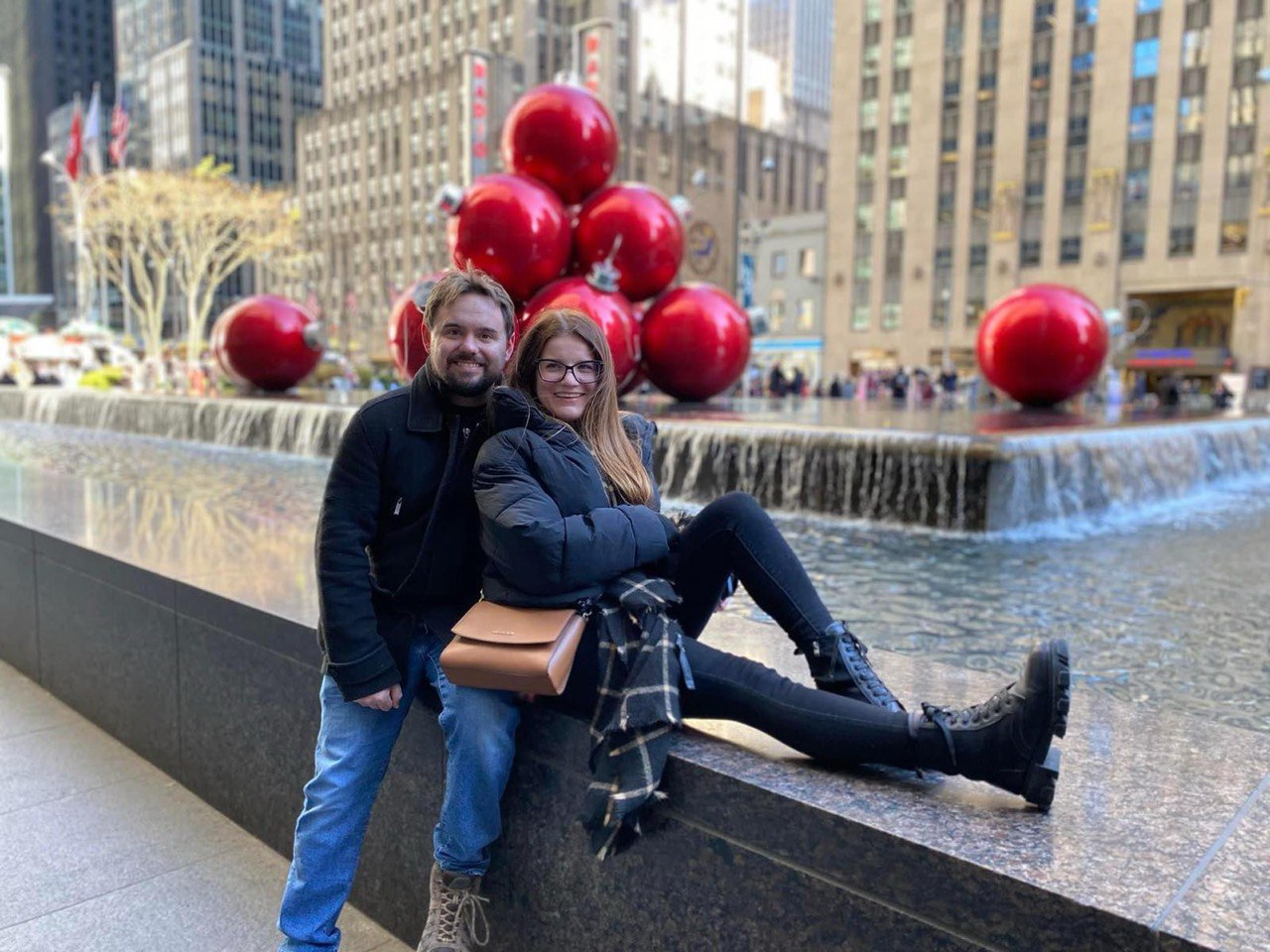
Kateryna fell in love with Chicago — the city, the energy, the people. In 2021, she met Kevin through alumni of their shared alma mater, UCF. They were married in 2025.
Wherever Kateryna went, she brought warmth and light. She had many dear friends because that was simply the effect she had on people. She was kind, sincere, intelligent, brave, ambitious, and always ready to help others. She loved life deeply and gave back whenever she could — supporting her community in Chicago through organizations like Little Brothers – Friends of the Elderly, and, especially, her community in Ukraine.
She was a proud and loving dog-mom to Watson.
Diagnosis and Illness
In 2023, after many months of seemingly unexplained fevers and rashes — symptoms that came and went without a clear cause — Kateryna was diagnosed with Adult-Onset Still’s Disease. The road to that diagnosis was long and uncertain, as it is for so many AOSD patients. The disease is so rare, and its symptoms so easily mistaken for other conditions, that arriving at the correct answer often takes far longer than it should.
In 2024, Kateryna survived a bout with Macrophage Activation Syndrome — one of the most dangerous complications of AOSD, and one that many patients do not survive. She fought through it with the same determination she brought to everything else in her life.
February 21, 2026
Kateryna passed away suddenly on February 21, 2026, from complications of Adult-Onset Still’s Disease. She was 29 years old.
She is survived by her husband Kevin; her parents, Sergii and Larysa Serhiyenko; her sister Nataliya and brother-in-law Dmytro; her parents-in-law, Peter and Diane Kulbacki; her paternal grandparents; and many aunts, uncles, and cousins in Ukraine — along with all those who loved her in Kevin’s family.
She was an inspiration in her field, a friend to everyone who knew her, and the kind of person who made every room she walked into a little bit better.





About AOSD.
ADULT-ONSET STILLS DISEASE.
What Is Adult-Onset Still’s Disease (AOSD)?
Adult-Onset Still’s Disease is a rare inflammatory disorder that attacks the entire body. Unlike most diseases that target one organ or system, AOSD turns the immune system against itself — generating constant, unchecked inflammation even when there is no infection to fight and no injury to heal. No one knows exactly what causes it. It is not inherited, not contagious, and not preventable. It simply happens.
The hallmark symptoms are relentless high fevers — often spiking above 102°F once or twice a day — a distinctive salmon-pink rash that comes and goes with the fever, severe joint pain, muscle aches, sore throat, and extreme fatigue. At first, it often looks like the flu or a stubborn virus, which makes it notoriously difficult to diagnose. There is no single blood test that confirms it. Instead, doctors must rule out infections, cancers, and other autoimmune diseases one by one before arriving at a diagnosis — a process that can take weeks or months while a patient continues to deteriorate.
AOSD affects roughly 1 to 34 people per million worldwide. To put that in perspective, in a city the size of Chicago, there may be fewer than 100 people living with this disease at any given time. It most commonly strikes young adults between 16 and 35, though it can appear at any age. Because it is so rare and mimics so many other conditions, many physicians will go their entire careers without seeing a single case.
There is no cure for AOSD. Treatment focuses on suppressing the runaway inflammation with powerful medications. High-dose corticosteroids like prednisone are typically the first line of defense. When steroids alone are not enough — and they often are not — doctors turn to biologic drugs that target specific molecules driving the inflammation, particularly interleukin-1 (IL-1) blockers like anakinra and canakinumab, and interleukin-6 (IL-6) blockers like tocilizumab. Canakinumab became the first FDA-approved treatment specifically for AOSD in 2020 — a full 49 years after the disease was first characterized. Other immunosuppressive drugs such as methotrexate and cyclosporine may also be used. Treatment is often a process of trial and error, as patients respond differently to each medication.
AOSD follows one of three general patterns. Some patients experience a single episode that resolves and never returns. Others go through repeated flare-ups separated by periods of remission. And for some, the disease becomes chronic and unrelenting. The most dangerous aspect of AOSD is not always the disease itself — it is what the disease can trigger.
A flare is a sudden return or worsening of AOSD symptoms — fevers spike, joint pain intensifies, the rash reappears, and the body’s inflammatory markers surge. Flares can range from manageable to life-threatening, and they are one of the most unpredictable and distressing aspects of living with AOSD. A patient can go weeks or months feeling relatively stable, only to be pulled back into the full force of the disease without warning.
What makes flares particularly difficult to manage is that they can be triggered by virtually any stressor on the body. Infections — even something as routine as a common cold — can set one off. Physical stress, emotional stress, surgery, exhaustion, and changes in medication have all been associated with triggering flares. Vaccinations, which stimulate the immune system by design, have been documented in medical literature as a trigger for both new-onset AOSD and flares in patients already in remission. Pregnancy — and particularly the postpartum period — is another recognized trigger, with published case studies showing recurrence rates above 60% and more than a third of postpartum AOSD patients experiencing flare-ups or deterioration. The immune system in an AOSD patient is already dysregulated, already running closer to the edge than it should be. It does not take much to push it over.
This means that for someone living with AOSD, ordinary life carries extraordinary risk. Events that a healthy person’s body would handle without incident — a stressful week at work, a routine vaccination, a minor illness, becoming pregnant — can become the spark that reignites a disease flare. And any flare, depending on its severity, carries the potential to escalate into the most dangerous complication of AOSD: Macrophage Activation Syndrome.
AOSD was first characterized in 1971. More than fifty years later, the most widely used diagnostic framework — the Yamaguchi criteria, published in 1992 — is still the standard. There is no definitive diagnostic test. We know that certain inflammatory molecules — interleukin-1, interleukin-18, and interleukin-6 — become pathologically overactive, and that serum ferritin often spikes to levels ten or twenty times higher than normal. But we do not know why these pathways activate in the first place, or why they activate in some people and not others. No genome-wide association study has ever been conducted for AOSD — meaning the genetic basis of the disease is, for all practical purposes, a blank page.
AOSD’s tiny patient population means it attracts minimal dedicated research investment. Most autoimmune research funding flows to larger disease categories — rheumatoid arthritis, lupus, multiple sclerosis — where larger patient populations drive larger advocacy networks, more pharmaceutical interest, and more grant dollars. The result is a disease that has been known for over half a century, that can kill young and otherwise healthy people, and that still has no cure, no definitive diagnostic test, and no genetic roadmap. That is why research funding matters.



About MAS.
MACROPHAGE ACTIVATION SYNDROME.
What Is Macrophage Activation Syndrome (MAS)?
Macrophage Activation Syndrome is one of the most feared complications of AOSD — and the most deadly.
In a healthy immune system, macrophages are a type of white blood cell that act as the body’s cleanup crew. They engulf and destroy bacteria, dead cells, and other debris. In MAS, these cells go haywire. Instead of doing their job and standing down, macrophages and certain immune cells called T lymphocytes become massively overactivated. They begin attacking the body’s own healthy blood cells, overwhelming the liver, flooding the bloodstream with inflammatory proteins, and sending the body into what doctors call a “cytokine storm” — an out-of-control immune cascade that can shut down organs in a matter of days or even hours.
MAS is sometimes described as the immune system’s version of friendly fire — except the fire is everywhere, all at once.
MAS often begins with an unrelenting high fever, but unlike a normal AOSD flare, the fever does not cycle — it stays elevated. Blood counts plummet. The liver begins to fail. Blood clotting becomes dangerously impaired. Patients can develop severe bleeding, neurological symptoms, and multi-organ failure. Because MAS can look like a severe infection, a disease flare, or even a medication side effect, it is frequently misdiagnosed or recognized too late. Many experts believe MAS is significantly underdiagnosed.
MAS requires emergency, aggressive treatment — typically in an intensive care unit. High-dose intravenous corticosteroids are administered immediately, often in pulse doses. Cyclosporine, a powerful immunosuppressive drug, may be added to shut down the overactive immune response. In refractory cases, chemotherapy agents like etoposide have been used. Newer biologic therapies targeting specific cytokines are being studied, but there is no standardized treatment protocol. Every case is a race against time.
MAS occurs in roughly 12–15% of AOSD patients — meaning you are looking at a severe complication of an already rare disease. To put that in concrete terms: if AOSD affects perhaps 1 in 100,000 people, and MAS strikes roughly 1 in 8 of those patients, then the number of people at any given time battling both AOSD and MAS is vanishingly small. Studies have found that AOSD patients who develop MAS face a mortality rate as high as 53% — compared to roughly 9.5% for AOSD patients without MAS. The combination is not just rare. It is one of the most dangerous scenarios in all of rheumatology.
In the most severe cases of MAS, the flood of inflammation can push the body into a condition called lactic acidosis. Here is what happens: when organs are under siege from the cytokine storm and tissue oxygen delivery is compromised, cells switch to an emergency energy-production mode that generates lactic acid as a byproduct. Normally, the liver filters lactic acid out of the blood. But in MAS, the liver itself is often failing — overwhelmed by the same inflammatory assault. Lactic acid builds up faster than the body can clear it, and the pH of the blood begins to drop.
This is where the situation becomes a devastating feedback loop. The human body is designed to operate within an extremely narrow blood pH range — between 7.35 and 7.45. When lactic acid drives the pH below that range, it does not just make the patient sicker. It fundamentally changes the body’s internal chemistry. The heart muscle contracts less effectively. Blood vessels stop responding normally to the medications — like vasopressors and catecholamines — that doctors use to maintain blood pressure and organ perfusion in the ICU. The very drugs meant to save the patient’s life become less effective precisely when they are needed most.
Worse still, the acidic environment further impairs the liver’s ability to clear lactate, which drives the pH even lower, which makes the drugs work even less, which allows the organs to deteriorate further. It is a vicious, self-reinforcing cycle. At a blood pH of 7.0 or below, research suggests that the liver may actually begin producing more lactic acid than it removes. At that point, the medical team is fighting not just the disease, but the patient’s own blood chemistry working against every intervention.
MAS carries reported mortality rates between 20% and 50%, depending on how quickly it is recognized and treated. Most deaths occur within the first three months of diagnosis. Even with aggressive treatment in a modern ICU, MAS can be fatal. When lactic acidosis enters the picture, the situation becomes exponentially more dire — the window for effective treatment narrows, and the margin for error all but disappears.
We cannot reliably predict which AOSD patients will develop MAS, or when. We do not have a standardized treatment protocol — physicians rely on high-dose corticosteroids, cyclosporine, and in refractory cases the chemotherapy agent etoposide, while newer therapies like emapalumab and anakinra are used based on clinical judgment and small studies rather than large controlled trials. Detecting the transition from a severe AOSD flare to MAS in real time remains extraordinarily difficult. MAS is classified as a form of secondary hemophagocytic lymphohistiocytosis (HLH), and diagnostic tools like the HScore exist — but in AOSD patients, key markers like ferritin are already elevated at baseline, which can mask the escalation and delay recognition at exactly the moment when hours matter most.
MAS is rare enough that no single medical center sees a large number of cases. That makes prospective research difficult, multi-center collaboration essential, and funding absolutely critical. Until the research infrastructure catches up, physicians will continue to fight MAS one case at a time — with incomplete tools, incomplete knowledge, and incomplete odds.




Memorial Fund.
Make A Difference.
THE KATERYNA SERHIYENKO MEMORIAL FUND
The Kateryna Serhiyenko Memorial Fund is a Donor-Advised Fund (DAF) established through the National Philanthropic Trust, one of the largest and most respected public charities administering donor-advised funds in the United States.
Funds Raised To Date
How To Contribute
If you would like to contribute, there are a few ways:
𝟭) 𝗗𝗼𝗻𝗮𝘁𝗲 𝗱𝗶𝗿𝗲𝗰𝘁𝗹𝘆 𝘁𝗼 𝘁𝗵𝗲 𝗗𝗼𝗻𝗼𝗿-𝗔𝗱𝘃𝗶𝘀𝗲𝗱 𝗙𝘂𝗻𝗱 (𝗽𝗿𝗲𝗳𝗲𝗿𝗿𝗲𝗱):
If you’d like to give by check, please make it payable to “National Philanthropic Trust” and write “The Kateryna Serhiyenko Memorial Fund, Account 385020” in the memo line. Mail to:
National Philanthropic Trust
165 Township Line Road, Suite 1200
Jenkintown, PA 19046
𝟮) 𝗖𝗮𝘀𝗵 𝗱𝗼𝗻𝗮𝘁𝗶𝗼𝗻 𝘃𝗶𝗮 her husband (𝗩𝗲𝗻𝗺𝗼 𝗼𝗿 𝗭𝗲𝗹𝗹𝗲):
If it is easier, you can also send a cash donation to her husband, and he will contribute it to the fund on your behalf.
Venmo: @KKulbacki
Zelle: (312) 848-4060
Mail to:
Kevin Kulbacki
840 W Belle Plaine Ave 2N
Chicago, IL 60613
𝟯) 𝗧𝗮𝘅-𝗮𝗱𝘃𝗮𝗻𝘁𝗮𝗴𝗲𝗱 𝗴𝗶𝘃𝗶𝗻𝗴 𝗮𝗻𝗱 𝗼𝘁𝗵𝗲𝗿 𝗮𝘀𝘀𝗲𝘁𝘀:
If you are interested in donating in a more tax-efficient way, the DAF can also accept wire transfers, publicly traded securities, restricted or control securities, and certain other assets. For information on these forms of giving, please visit the National Philanthropic Trust for more information.
Frequently Asked Questions
A Donor-Advised Fund is a charitable giving account housed within a public charity. Contributors make tax-deductible donations into the fund, and those dollars are then granted out over time to qualified nonprofit organizations in support of a specific purpose. Think of it as a dedicated charitable account with a mission — money goes in, and it only comes out when there is a meaningful place to send it.
Adult-Onset Still’s Disease is so rare that there are few, if any, established charities that directly and consistently fund research focused specifically on AOSD. Most autoimmune and rheumatologic research funding is spread across larger disease categories, and AOSD — with its tiny patient population — is easily overlooked. A traditional donation to a general research fund, however well-intentioned, offers no guarantee that a single dollar will ever reach AOSD-specific work.
A DAF solves that problem. It creates a holding structure with a clear mandate: funds will only be distributed to a qualified charity or research organization when the grant can be specifically earmarked for AOSD research. If there is no suitable grant opportunity at a given moment, the money stays in the fund — invested and growing — until there is. No contribution is diluted. No dollar is redirected to an unrelated cause.
Every contribution to this fund is held to a single standard: it will only go to work that directly advances AOSD research. Donors can give with confidence that their generosity is not being absorbed into some general operating budget or spread across diseases that already receive significant funding. This fund exists for one reason — because Kat deserved better, and so does every patient who comes after her.
Grants from the fund will be directed toward research into AOSD and its related complications, including Macrophage Activation Syndrome. This includes but is not limited to funding that advances understanding of the disease’s mechanisms, improves diagnostic tools and timelines, develops new or more effective treatments, and supports better outcomes for patients and families facing these conditions.
No. Unlike a standard GoFundMe or online fundraiser, the Kateryna Serhiyenko Memorial Fund is a Donor-Advised Fund — which is itself a charity — and does not have a direct online donation link. Contributions can be made through three methods:
- Direct donation to the fund via check — made payable to the National Philanthropic Trust with the Kateryna Serhiyenko Memorial Fund referenced in the memo line.
- Cash donation via Kevin Kulbacki — using Venmo, Zelle, or personal check. Kevin will deposit these contributions directly into the fund on your behalf.
- Tax-advantaged giving — such as wire transfers, for donors who wish to contribute through their financial advisor or as part of a broader giving strategy.
If you have questions about which method is right for you, please use the contact form below and we will be happy to help.
Contact.
LET’S TALK.
Whether you knew Kateryna personally, found this site while searching for answers about AOSD or MAS, or simply want to help spread the word — we welcome your message. Every conversation about these diseases matters.


